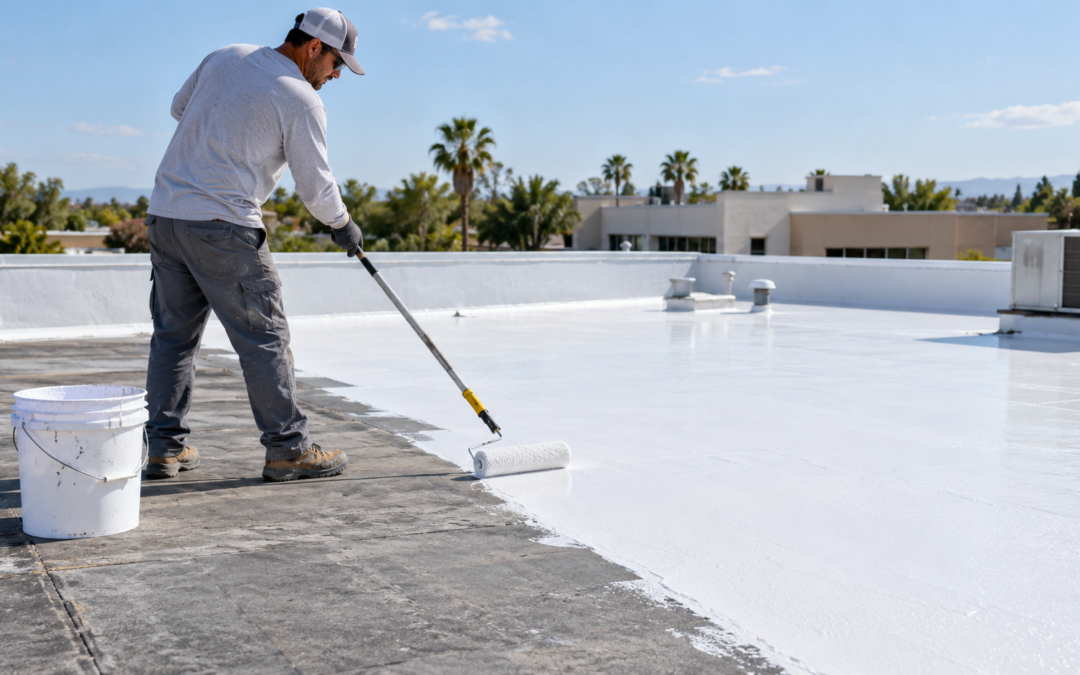
Roofs are constantly exposed to sunlight, moisture, temperature changes, wind, snow, and other environmental conditions that gradually wear down roofing materials. For certain roofing systems, applying an elastomeric roof coating can provide an additional layer of protection while helping restore an aging roof surface. Rather than removing and replacing the entire roofing system, a professionally applied coating can help preserve a roof that is still structurally sound and improve its resistance to future weather exposure.
Elastomeric roof coatings are especially useful for many flat, low-slope, metal, and commercial roofing applications. Their flexible properties allow the coating to move with the roofing surface as temperatures rise and fall, making them a practical option in climates that experience significant seasonal changes.
This guide explains what elastomeric roof coating is, how it works, its primary benefits, how long it can last, and when property owners should consider having it professionally installed.
What Is Elastomeric Roof Coating?
An elastomeric roof coating is a liquid-applied roofing material that cures to form a flexible, continuous protective membrane over an existing roof surface. The term “elastomeric” refers to the material’s ability to stretch and return to its original shape without easily cracking or breaking.
Once applied and cured, the coating creates a seamless layer across eligible portions of the roof. This layer can help protect the underlying roofing material from water, UV exposure, weathering, and surface deterioration.
Unlike conventional exterior paint, elastomeric roof coatings are specifically formulated for roofing applications. They are generally thicker, more flexible, and designed to withstand the movement and environmental stresses roofing systems experience throughout the year.
How Does an Elastomeric Roof Coating Work?
Roofing materials naturally expand when temperatures rise and contract as temperatures fall. Over many years, this continual movement can contribute to cracks, weakened seams, surface deterioration, and other vulnerabilities.
Elastomeric coatings are designed to accommodate this movement. After the liquid coating cures, it remains flexible enough to expand and contract with the roof rather than forming a rigid surface that can easily crack.
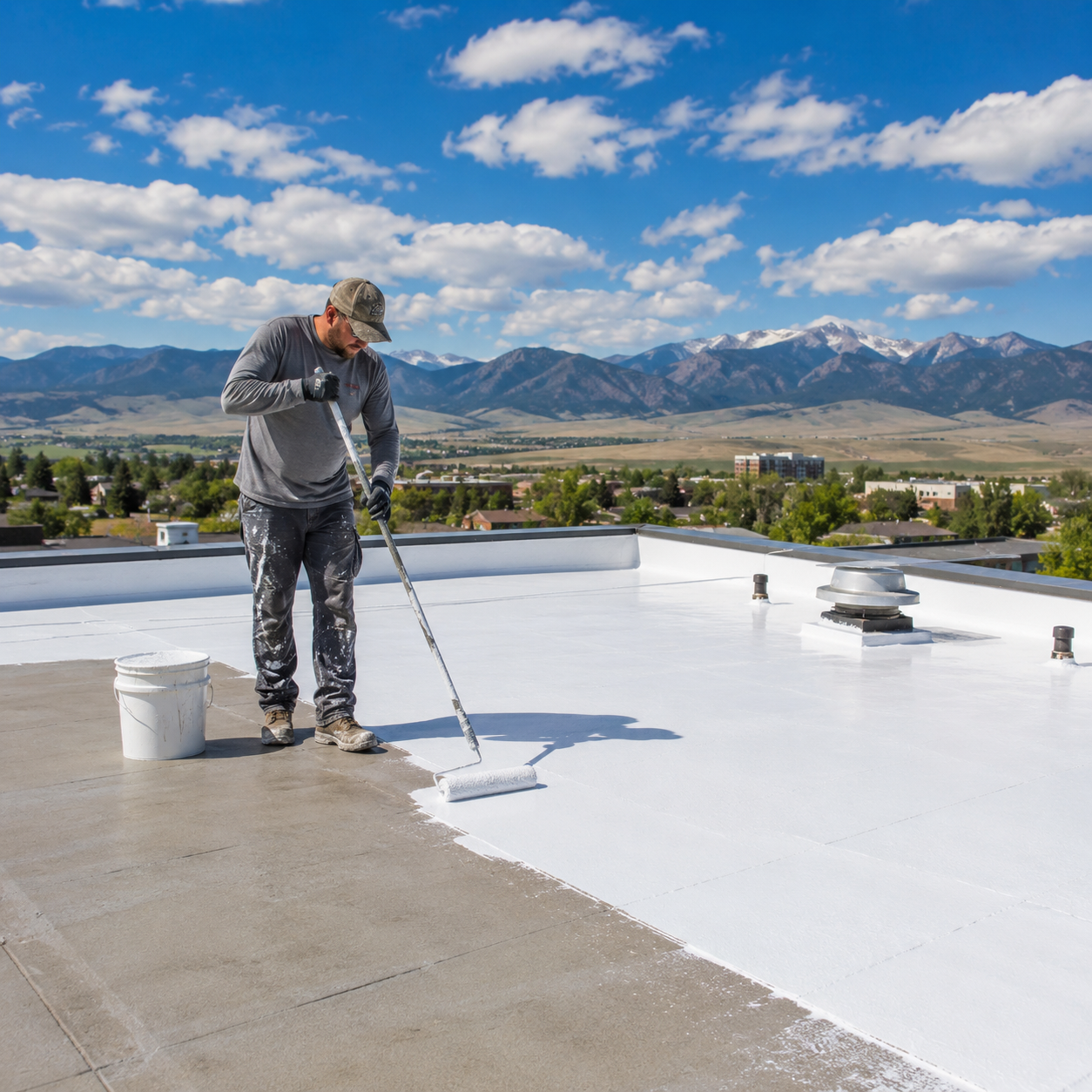
The finished coating creates a protective barrier that can help:
- Seal small surface imperfections
- Improve resistance to moisture penetration
- Protect roofing materials from UV exposure
- Cover and reinforce vulnerable surface areas
- Reduce weather-related deterioration
- Protect seams and other roof details when properly installed
- Extend the useful service life of eligible roofing systems
Because the coating is applied across the roof surface, it can also reduce the number of exposed areas where moisture and weather can directly affect the underlying roofing material.
What Are Elastomeric Roof Coatings Made Of?
There are several formulations of elastomeric roof coatings, and the appropriate material depends on the existing roofing system, climate, roof condition, drainage, and performance requirements.
Common categories can include acrylic, silicone, polyurethane, and other elastomeric formulations. Each material has different strengths relating to UV resistance, water resistance, durability, adhesion, and environmental exposure.
Choosing a coating should therefore involve more than simply purchasing a product and applying it to a roof. The existing roofing material must be compatible with the selected coating, and proper surface preparation is essential for good adhesion and long-term performance.
What Are the Benefits of Elastomeric Roof Coatings?
One reason elastomeric roof coatings are widely used is their ability to address several aspects of roof protection simultaneously. For the right roofing system, coating can provide a practical way to improve performance without immediately moving forward with complete roof replacement.
Improved Protection Against Moisture
Water intrusion is one of the biggest threats to a roofing system. Cracks, aging seams, worn surfaces, penetrations, and deteriorated details can eventually create potential pathways for moisture.
A properly installed elastomeric roof coating forms a continuous protective membrane across eligible areas of the roof. When combined with appropriate repairs and detailing, this can improve the roof’s overall resistance to moisture.
Flexibility During Temperature Changes
Temperature fluctuations place continual stress on roofing materials.
Because an elastomeric coating remains flexible after curing, it can stretch as the roof expands and contract when temperatures fall. This flexibility is particularly valuable in regions such as Montana, where roofs can experience substantial differences between summer and winter temperatures.
Protection From UV Exposure
Constant exposure to sunlight can gradually degrade many roofing materials. UV radiation may contribute to fading, chalking, brittleness, cracking, and general surface deterioration.
Many elastomeric roof coatings create an additional layer between the existing roof and direct sunlight, helping slow UV-related wear.
A Seamless Protective Surface
Many roofs contain seams, fasteners, transitions, penetrations, flashings, and other details that may become vulnerable as the roofing system ages.
Applying an elastomeric roof coating creates a largely seamless surface across coated areas. Proper attention can also be given to vulnerable roof details during preparation and application.
Potentially Extends Roof Service Life
A roof does not necessarily need to be replaced simply because its surface is showing signs of age.
When the underlying system remains structurally sound, coating may help preserve the existing roof and delay the need for full replacement. This can help property owners maximize the useful life of their existing roofing investment.
May Reduce Future Roof Maintenance
Adding another protective barrier can reduce direct exposure of the underlying roofing material to weather, sunlight, and moisture.
While coated roofs still require routine inspections and maintenance, slowing surface deterioration may help reduce some maintenance concerns over time.
What Types of Roofs Can Use Elastomeric Coatings?
Not every roofing system is an appropriate candidate for coating. Compatibility depends on the roofing material, slope, moisture conditions, structural integrity, drainage, previous coatings, and the manufacturer’s requirements.
Common applications can include:
- Flat roofing systems
- Low-slope roofs
- Metal roofs
- Commercial roofing systems
- Certain residential roofing surfaces
- Previously coated roofs that remain compatible with a new coating system
MacDonald Contracting provides roof coating services for eligible residential and commercial roofing systems, including certain flat, low-slope, and metal roofs.
Are Elastomeric Roof Coatings Good for Montana Weather?
Montana’s climate can place significant demands on roofing materials. A roof may experience intense sunlight and summer heat followed by freezing winter temperatures, snow, ice, wind, and repeated freeze-thaw cycles.
This combination of conditions continually causes roofing materials to expand and contract.
The flexibility of an elastomeric roof coating makes it particularly useful where temperature changes are significant. By moving with the roof rather than remaining completely rigid, the coating can provide additional protection against weather-related surface deterioration.
Roof coatings can also help reduce the amount of direct UV, precipitation, and environmental exposure reaching the underlying roofing material.
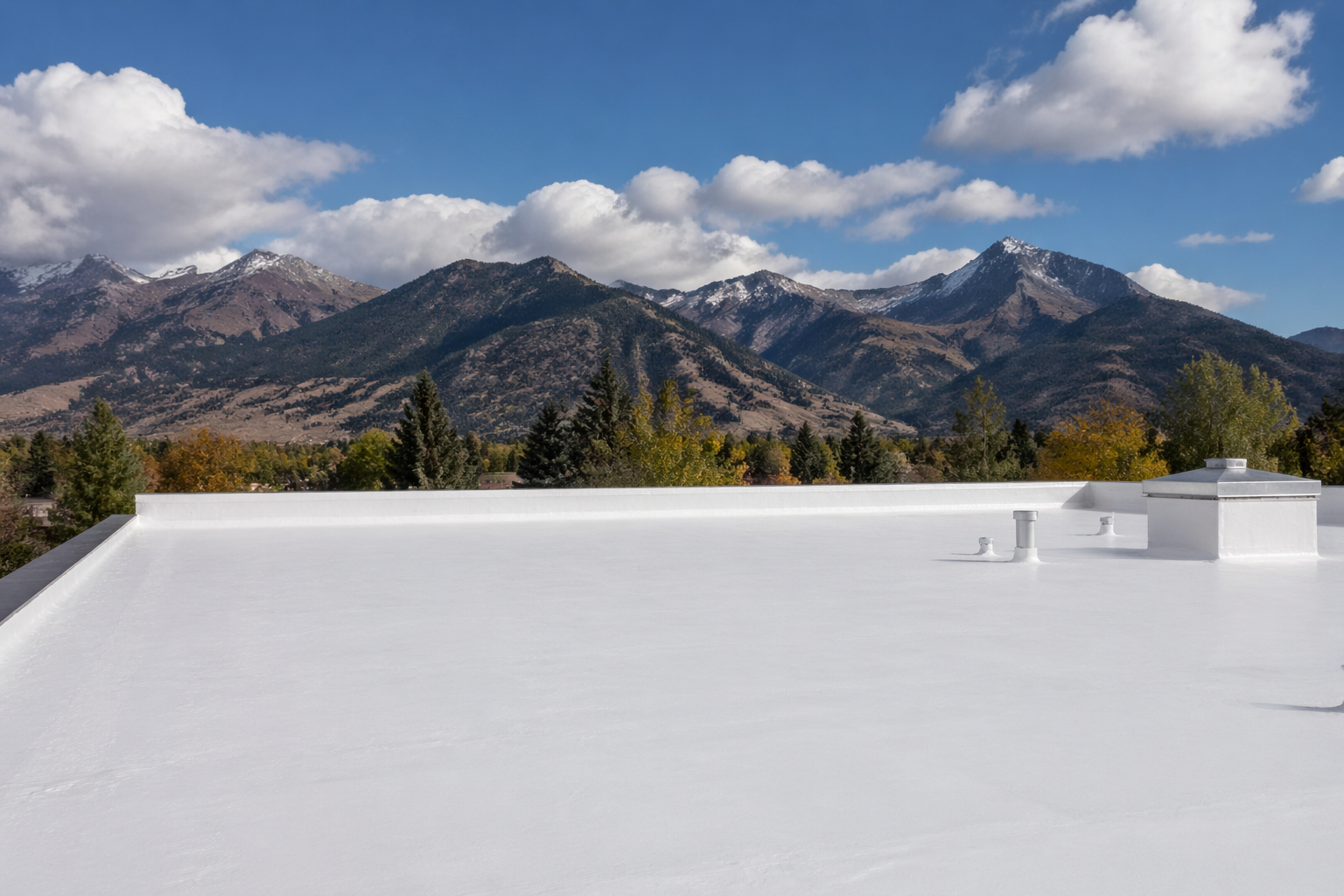
How Long Does Elastomeric Roof Coating Last?
There is no single lifespan that applies to every elastomeric roof coating system. Performance depends heavily on the material, application thickness, existing roof condition, installation quality, weather exposure, maintenance, and drainage.
A professionally installed coating can often provide many years of additional roof protection. Some coating systems may also be eligible for recoating later, potentially extending the roof’s service life again when the underlying system remains in suitable condition.
Factors that influence coating lifespan include:
- Type and quality of coating material
- Thickness of the finished coating
- Condition of the existing roof
- Quality of surface preparation
- Climate and UV exposure
- Snow and ice conditions
- Roof drainage
- Ponding water
- Foot traffic
- Routine maintenance
- Quality of installation
Property owners should therefore evaluate long-term coating performance based on the specific roofing system rather than relying on a universal lifespan estimate.
When Should You Consider Elastomeric Roof Coating?
Roof coating can be particularly valuable when property owners want to protect an existing roof before deterioration becomes severe.
You may want to consider elastomeric roof coating if:
- Your roof is aging but remains structurally sound
- The surface is beginning to weather or deteriorate
- Your metal roof is showing minor corrosion or surface wear
- Seams and roof details need additional protection
- You have a flat or low-slope roof that requires improved weather resistance
- You want to protect an existing commercial roofing investment
- You want to delay complete roof replacement when appropriate
- Your roof receives substantial exposure to UV rays and seasonal weather
- You are looking for a proactive roof maintenance solution
The most important first step is determining the condition of the existing roof. A professional inspection can establish whether coating, repair, or replacement provides the most practical solution.
Professional Elastomeric Roof Coating Services From MacDonald Contracting
MacDonald Contracting provides professional roof coating solutions for residential and commercial property owners throughout Montana. Our team works with eligible flat roofs, low-slope roofs, metal roofing systems, commercial roofs, and select residential applications. We inspect each roofing surface carefully, address areas of concern, properly prepare the roof, and apply durable elastomeric roof coatings designed to improve weather resistance and help extend roof performance.
Based in Montana and serving Butte and surrounding communities, MacDonald Contracting brings extensive exterior improvement experience to every project. In addition to roofing, we provide asphalt services and exterior painting services for residential and commercial properties. Our approach emphasizes durable materials, detailed preparation, dependable workmanship, and practical solutions based on the condition of each property.

Protect Your Roof With Elastomeric Roof Coating From MacDonald Contracting
If your roof is showing signs of wear or you want to proactively protect it from Montana’s demanding seasonal weather, get in touch with MacDonald Contracting today. Our team can evaluate your roofing system, explain whether elastomeric roof coating is right for your property, and recommend an appropriate solution.
Contact MacDonald Contracting today to request your free estimate and take the next step toward protecting your residential or commercial roof.
FAQs
Can elastomeric roof coating extend the life of a roof?
Yes, applying an elastomeric roof coating to a structurally sound roof can help slow deterioration and potentially extend its useful service life. The coating adds another layer of protection against moisture, UV exposure, and seasonal weather conditions.
Do elastomeric roof coatings require maintenance?
Yes, coated roofs should still be inspected periodically for punctures, drainage problems, damaged seams, debris, standing water, and other concerns. Routine maintenance can help preserve the coating and catch minor problems before they become more serious.
Is elastomeric roof coating waterproof?
Elastomeric roof coatings are designed to provide strong water resistance and can help create a seamless protective barrier over properly prepared roofing surfaces. However, existing leaks, damaged materials, and drainage issues should be repaired before the coating is applied.
How is elastomeric roof coating applied?
The process typically involves inspecting the roof, completing necessary repairs, thoroughly cleaning and preparing the surface, and applying the coating at the proper thickness. Some roofing systems may also require primer or additional reinforcement around seams, penetrations, and other vulnerable areas.