
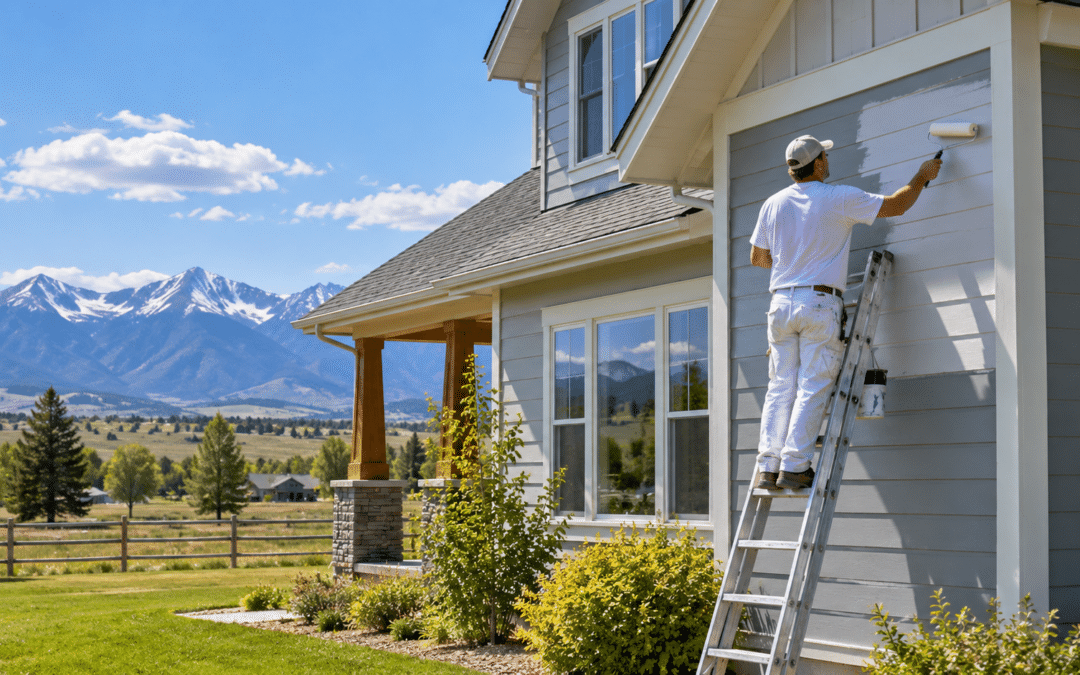
Painting your home’s exterior is one of the most effective ways to improve curb appeal, protect exterior surfaces, and maintain your property’s long-term value. However, Montana’s unpredictable weather, temperature fluctuations, and seasonal conditions can make choosing the right time for exterior painting challenging. Understanding the best time of the year to paint house exterior surfaces is essential for achieving proper paint adhesion, even coverage, and a durable finish. Whether you’re planning a complete exterior makeover or refreshing faded siding, scheduling your project during favorable weather conditions can make a significant difference in the quality and longevity of your results.
When Is the Best Time of the Year to Paint House Exterior Surfaces in Montana?
The best time of the year to paint house exterior surfaces in Montana is generally from late spring through early fall, with June through September offering some of the most favorable conditions. During these months, warmer temperatures, longer daylight hours, and more opportunities for dry weather create an ideal environment for exterior painting projects.
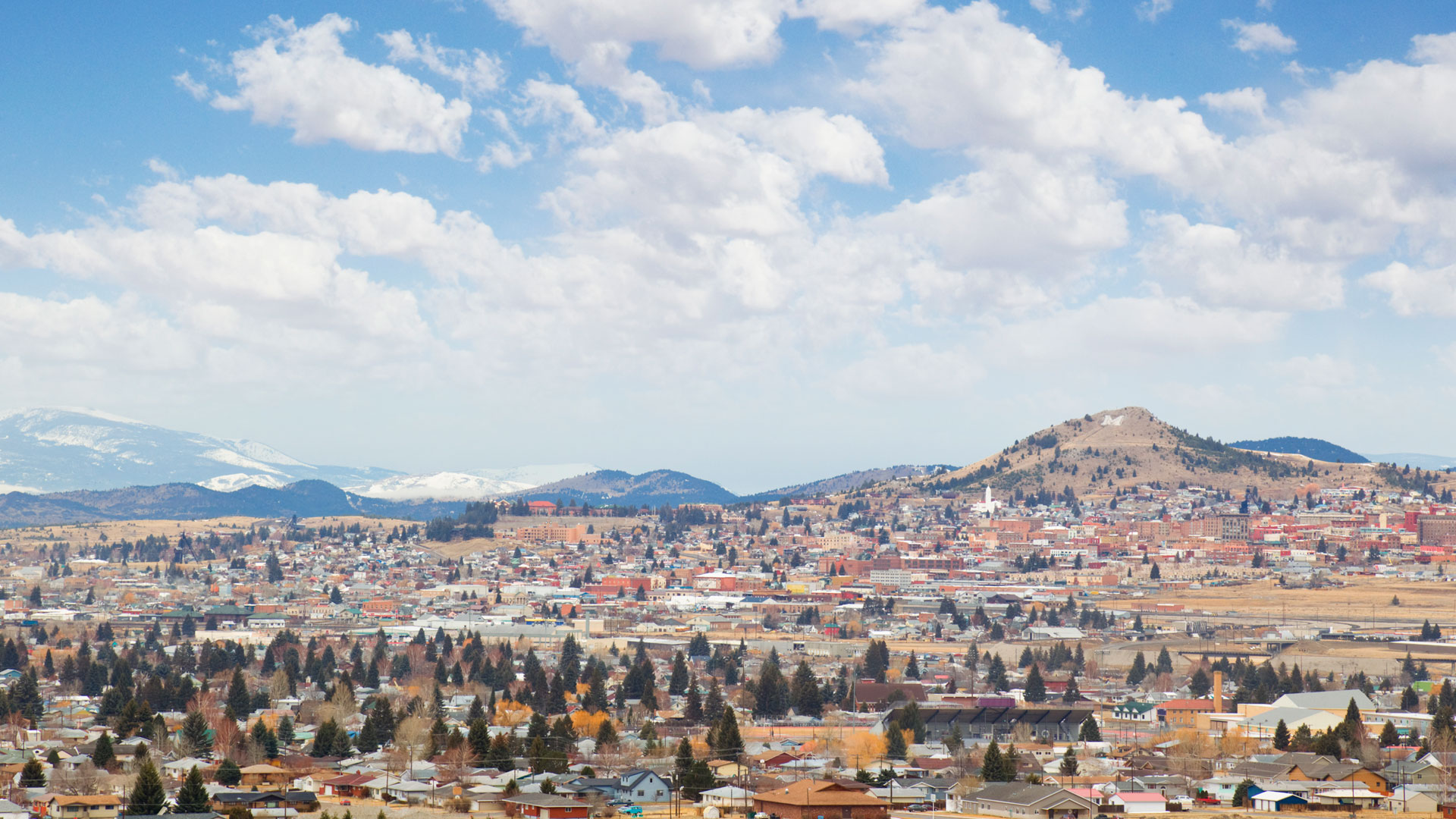
However, Montana’s climate can vary considerably depending on location and elevation. Homeowners in Butte, Bozeman, Helena, Belgrade, and Billings may experience different weather patterns, including unexpected rainfall, strong winds, and significant temperature changes between daytime and nighttime.
For the best results, exterior painting should be scheduled around consistent weather conditions rather than a specific calendar date. Choosing a period with moderate temperatures, minimal precipitation, and sufficient drying time helps ensure that paint adheres properly and forms a durable protective finish.
Understanding the Best Seasons for Exterior House Painting in Montana
While exterior painting is possible during several months of the year, each season presents unique advantages and challenges. Understanding how Montana’s seasonal weather affects paint application can help homeowners determine the most appropriate time to schedule their projects.
Spring (April–May): A Transitional Painting Season
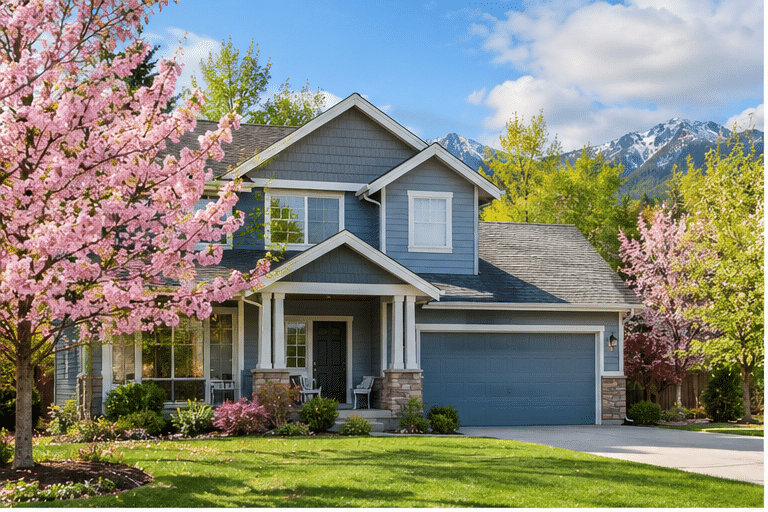
Spring brings gradually warming temperatures and longer days, making it an appealing time to begin exterior home improvement projects. However, Montana’s spring weather can be unpredictable, with occasional snowfall, frequent rain, and overnight freezing temperatures.
These conditions can create challenges for exterior painting, particularly when surfaces remain damp or temperatures fluctuate significantly throughout the day.
Late spring may provide suitable painting opportunities when temperatures stabilize and surfaces have sufficient time to dry. Homeowners considering spring painting should carefully monitor weather forecasts and avoid scheduling work immediately before anticipated precipitation or freezing conditions.
Summer (June–August): The Best Overall Season for Exterior Painting
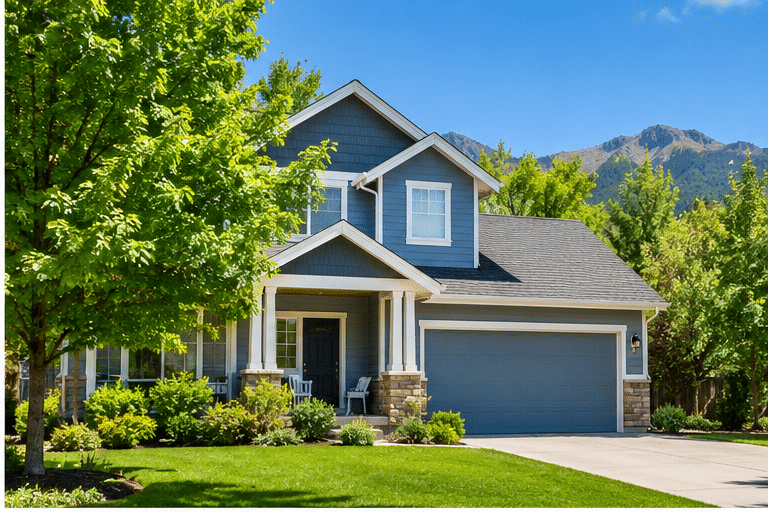
Summer is generally considered the best time of year to paint the outside of your house in Montana because it provides the most consistent opportunities for favorable application conditions. Warmer temperatures, extended daylight hours, and relatively predictable weather patterns make it easier to complete exterior painting projects efficiently.
Benefits of scheduling exterior painting during the summer include:
- Consistent temperatures: Warm conditions support proper paint application, drying, and curing.
- Longer daylight hours: Additional daylight provides more time for surface preparation and painting.
- Improved drying opportunities: Extended periods of dry weather help reduce moisture-related application problems.
- Favorable working conditions: Moderate summer temperatures make it easier to achieve smooth, even coverage.
- Reliable project scheduling: Longer stretches of suitable weather can help minimize interruptions and delays.
Although summer offers several advantages, extreme heat and direct sunlight can cause paint to dry too quickly, potentially creating uneven finishes or adhesion problems. Professional painters account for these conditions by adjusting application times and working on shaded sections of a home when necessary.
Fall (September–October): A Good Alternative With Proper Planning
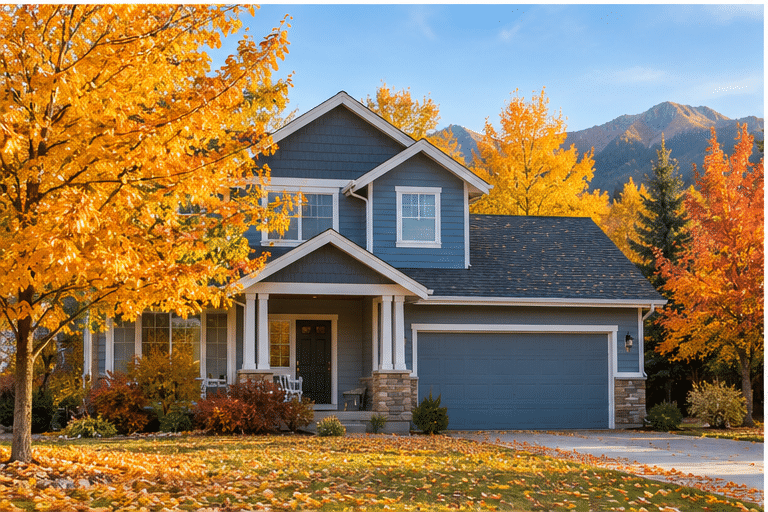
Early fall can also be an excellent time for exterior house painting in Montana. September often provides mild daytime temperatures and relatively dry conditions, allowing homeowners to complete painting projects before colder weather arrives.
However, as fall progresses, shorter days and colder overnight temperatures can make exterior painting more difficult. Paint requires adequate temperatures throughout the drying and curing process, and unexpected frost can compromise the finished coating.
For homeowners planning fall painting projects, September is generally a safer option than late October. Scheduling work earlier in the season provides greater flexibility and reduces the likelihood of weather-related complications.
Winter (November–March): Generally Not Recommended
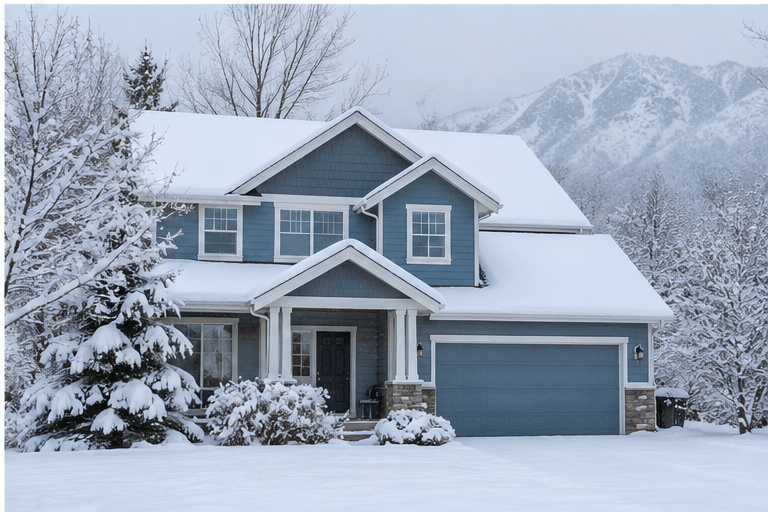
Winter is typically the least favorable season for exterior painting in Montana. Freezing temperatures, snow, ice, and limited daylight can interfere with paint adhesion, drying, and curing.
Applying exterior paint in unsuitable cold conditions increases the risk of peeling, cracking, uneven coverage, and premature coating failure. While certain specialty products are formulated for lower-temperature applications, Montana’s winter conditions often make large residential exterior painting projects impractical.
Homeowners considering winter exterior improvements should generally use this time to plan their projects, select paint colors, and schedule professional services for the warmer months.
Key Weather Conditions That Affect Exterior House Painting
Choosing the right season is important, but daily weather conditions ultimately determine whether exterior painting can be completed successfully. Even during Montana’s warmer months, several environmental factors can influence paint performance.
Temperature and Paint Application
Temperature is one of the most important considerations when scheduling exterior painting. For many conventional exterior latex paints, temperatures above 50°F are recommended, while moderate conditions between approximately 50°F and 85°F are often favorable for application.
However, temperature requirements vary by product. Some modern exterior coatings are specifically formulated for application at temperatures as low as 35°F.
Homeowners should remember that both air and surface temperatures matter. A wall exposed to direct afternoon sunlight may become significantly hotter than the surrounding air, while shaded surfaces may remain cooler.
Always follow the paint manufacturer’s recommended temperature ranges and curing requirements.
Rainfall and Moisture Levels
Moisture can interfere with paint adhesion and prevent exterior coatings from forming a durable protective layer. Painting damp siding or exposing freshly applied paint to rainfall too soon may result in bubbling, peeling, or premature deterioration.
Before beginning an exterior painting project, surfaces should be completely dry and weather conditions should allow sufficient time for paint to dry.
Wood siding and other porous materials may require additional drying time following heavy rainfall because they can retain moisture beneath the surface.
Humidity and Overnight Dew
High humidity can slow paint drying and increase the likelihood of moisture-related problems. This is particularly important during early mornings and evenings when condensation may form on exterior surfaces.
Montana’s substantial temperature differences between daytime and nighttime can also create challenges. Even when afternoon temperatures are comfortable, falling overnight temperatures and dew can interfere with paint that has not sufficiently cured.
Scheduling painting during stable weather conditions helps reduce these risks.
Direct Sunlight and Wind
Although sunny weather may seem ideal for exterior painting, excessive direct sunlight can cause certain coatings to dry too rapidly. This may produce visible brush marks, uneven coverage, or reduced adhesion.
Strong winds can also affect application by carrying dust and debris onto freshly painted surfaces or causing paint to dry unevenly.
Professional painters consider sun exposure and wind conditions when determining which sections of a home to paint throughout the day.
How Montana’s Climate Affects Different Exterior Surfaces
Choosing the best time to paint also depends on the materials used throughout your home’s exterior. Different surfaces respond to moisture, temperature fluctuations, and paint application in different ways.
Wood Siding and Trim
Wood naturally expands and contracts as temperatures and moisture levels change. Painting wood that contains excessive moisture can trap water beneath the coating, increasing the likelihood of peeling, blistering, and deterioration.
Wood siding and trim should be thoroughly dry and properly prepared before painting. Late summer or another sustained period of dry weather may provide favorable conditions for these surfaces.
Stucco and Cement Surfaces
Stucco and cement-based materials require suitable temperatures and dry conditions for effective paint adhesion. These porous surfaces can retain moisture after precipitation, making adequate drying time especially important.
Painting during consistent, mild weather helps reduce moisture-related problems and promotes even coating application.
Metal Siding and Exterior Features
Metal surfaces can become extremely hot under direct summer sunlight and cool rapidly when temperatures drop. These fluctuations can affect paint application, particularly when the surface temperature falls outside the coating manufacturer’s recommended range.
Choosing moderate temperatures and using products formulated for metal surfaces can help improve adhesion and long-term protection.
When Is the Best Time of Year to Stain Your Home’s Exterior?
Exterior staining follows many of the same seasonal considerations as house painting, but wood moisture content and product absorption are especially important.
Summer and early fall are generally favorable times for exterior wood staining in Montana, provided the weather remains dry and temperatures stay within the stain manufacturer’s recommended application range.
Staining during excessively cold, wet, or hot conditions can interfere with absorption, drying, and finish consistency. Wood that has recently been exposed to heavy rainfall may require additional drying time before staining can begin.
For homeowners with natural wood siding, decks, fences, or trim, professional staining can help preserve the wood’s appearance while providing protection against moisture, sunlight, and seasonal weather exposure.
Professional Exterior House Painting and Staining From MacDonald Contracting
At MacDonald Contracting, we understand how Montana’s changing seasons can affect the appearance and durability of your home’s exterior. Serving Butte, MT, and surrounding communities, we provide dependable residential exterior improvement solutions backed by quality workmanship, durable materials, and attention to detail. In addition to our asphalt maintenance and roofing services, we specialize in helping homeowners improve and protect their properties through professional painting and staining.
Our exterior house painting and staining services include residential siding and trim painting, wood staining, fence painting, metal roof painting, and protective coatings for wood, metal, stucco, and cement surfaces. We use premium Sherwin-Williams paints and stains and prioritize proper preparation, suitable application conditions, and consistent workmanship. Whether you’re refreshing faded siding or planning a complete exterior transformation, our team is committed to delivering attractive, long-lasting results for homeowners throughout Butte, Bozeman, Helena, Belgrade, Billings, and surrounding Montana communities.

Schedule Your Next Exterior House Painting Project With MacDonald Contracting
Choosing the best time of year to paint the outside of your house is an important part of protecting your investment and achieving a durable, attractive finish. While summer and early fall generally offer favorable painting conditions in Montana, proper preparation, quality materials, and professional application are equally important for long-term results.
At MacDonald Contracting, we’re here to help you plan your exterior painting or staining project around the right conditions for your home. Whether you want to refresh your siding, restore exterior wood surfaces, or improve your property’s curb appeal, our experienced team can help.
Contact MacDonald Contracting today or call 406-404-0616 to request your free estimate and take the first step toward a beautifully painted, weather-resistant home exterior.
FAQs
What is the best temperature to paint the outside of your house?
For many exterior paints, temperatures between 50°F and 85°F are ideal for application and drying. However, the recommended temperature range varies by product, so homeowners should always follow the paint manufacturer’s guidelines.
Is it better to paint your house in summer or fall?
Summer is generally the more reliable season for exterior house painting in Montana because it offers warmer temperatures, longer daylight hours, and more opportunities for consecutive dry days. Early fall can also provide excellent painting conditions, particularly when temperatures are moderate and overnight frost is not a concern.
How often should you repaint your house exterior?
Many homes benefit from exterior repainting approximately every 5 to 10 years, although the actual lifespan depends on the siding material, paint quality, surface preparation, and exposure to Montana’s weather. Homeowners should regularly inspect their siding and trim for fading, peeling, cracking, or other signs that a fresh coat of paint may be necessary.
How do you know when your house exterior needs repainting?
Common signs that your home’s exterior needs repainting include peeling or cracking paint, faded colors, exposed wood, and deteriorating protective coatings. Addressing these problems early can help prevent moisture-related damage and maintain your property’s curb appeal.